The best streaming service for movie lovers is the one that matches how you actually watch, not the one with the loudest marketing. A viewer who wants new studio releases on demand needs a different platform than one who works through classic Hollywood catalogs or catches free films with ads. Availability changes constantly, so treat any catalog description here as a snapshot, and check a platform's own listings before you pay.
This guide ranks the major streaming services by the kind of movie viewer each serves best. It draws on the durable, well-documented traits of each platform — library focus, release strategy, picture quality options, and pricing structure — rather than a single week's arrivals. For a broader view of the beat, the publication's streaming section tracks arrivals, expirations, and catalog changes week to week.
How do you decide which streaming service is right for you?
Start with three questions. What do you watch — new releases, older studio films, international cinema, or a mix? How do you watch — ad-free and in the best picture quality your setup allows, or cheaply with ads? And how long do you keep a service — subscribed year-round, or rotating month to month as catalogs change?
Those answers matter more than any leaderboard. Licensing deals move titles between platforms, and a service that was thin on dramas last year can be deep in them this year. That churn is worth understanding before you commit; the explainer on why shows and movies leave streaming services covers how licensing windows work and why a favorite title can vanish without warning.
One practical habit follows from all this: rotate. Subscribe to a service when its catalog justifies the month, watch what you came for, and cancel until the next draw. Most major platforms make cancellation a few clicks deep, and month-to-month billing means you are never locked in beyond the current cycle.
Which service is best for new theatrical releases?
If your priority is seeing recent studio films at home soon after their theatrical runs, the studio-owned platforms are the natural fit. Disney+ carries Disney, Pixar, Marvel, and Star Wars titles, typically after a theatrical window. Max has long been the home for Warner Bros. films, and Paramount+ for Paramount's. Peacock performs the same role for Universal and Focus Features. These are the services where a studio's own new movies tend to land first, because the studio and the platform share a corporate parent.
The timing varies by title and deal, and it has shifted over the years as studios experiment with windows. The bigger picture on how release patterns changed is covered in the piece on streaming vs. theatrical release strategies. For a concrete example of how to chase one title across platforms, rentals, and physical media, see Where to Watch Oppenheimer: Streaming, Rental, and Physical Options.
What this means for you: if you mostly want this year's big studio films, pick the service owned by the studio whose slate you follow, and expect a wait between theaters and the platform.
Which service is best for deep catalogs and classic films?
Older Hollywood, international classics, and prestige television-adjacent cinema cluster on a few platforms. Max has historically carried the deepest bench of classic and prestige library titles among the generalists, thanks to the combined Warner Bros. and older HBO film libraries. The Criterion Channel exists for exactly this viewer: a curated, film-buff service built around classic and contemporary arthouse cinema, with programmer notes and themed collections that generalist platforms do not attempt.
Prime Video works differently. Its subscription catalog sits alongside a large rental and purchase store, and the library rotates heavily. For a viewer who treats streaming as one option among several — renting a new release one night, browsing the included catalog the next — that hybrid model is a feature, not a bug.
Apple TV+ takes the opposite approach: a small, originals-focused slate rather than a deep library. It suits a viewer who wants a short list of well-produced films and series and does not need a vast back catalog.
What about picture quality, ads, and pricing tiers?
Movie lovers should check two plan-level details before subscribing. First, ads: most major services now offer a cheaper ad-supported tier alongside a pricier ad-free one, and the differences go beyond the interruptions — some features, such as certain download options, are tied to specific tiers. The breakdown in Streaming Ad Tiers: What to Know Before You Pick a Plan walks through what changes between tiers.
Second, picture quality. Not every plan on every service includes 4K or HDR, and not every title is mastered in them. If you have a good television and care about how a film looks, confirm that the tier you pick includes the highest-quality streams. The guide on what 4K streaming is and whether you need it explains when the upgrade is visible and when it is not.
Bundles can lower the combined cost if you want multiple services at once. The explainer on what a streaming bundle is and which ones exist covers the current pairings. The trade-off is flexibility: a bundle is convenient, but it works against the rotate-and-cancel habit.
Are there good free options for movie watchers?
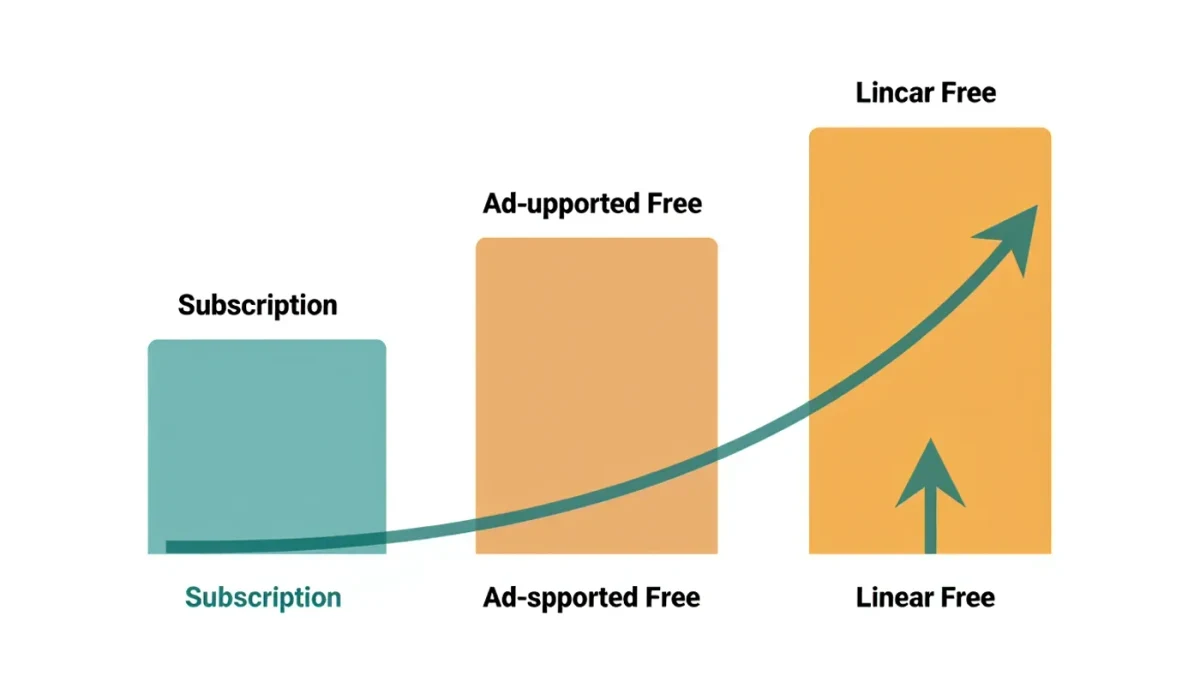
Yes, with a caveat. Free ad-supported streaming services — often called FAST or AVOD platforms — carry rotating catalogs of licensed films at no cost, supported by ad breaks. The trade is control: you watch what is licensed this month, with ads, usually at standard picture quality. For a patient viewer working through older or lesser-known titles, they are a genuine supplement rather than a replacement for a paid service.
The primers on FAST streaming channels and AVOD, or free ad-supported streaming explain who offers these services and how their catalogs behave. Readers following this should also see What Are FAST Streaming Channels, Explained: Free Ad-Supported TV and Who Offers It.
Our analysis: the ranked short list
Treating the evidence above as a matching exercise rather than a verdict on quality, here is the fit-based ranking for movie lovers:
- Max — for the viewer who wants both recent Warner Bros. releases and a deep classic library in one subscription.
- The Criterion Channel — for the devoted cinephile who values curation and film history over volume.
- Prime Video — for the flexible viewer comfortable mixing a subscription catalog with à-la-carte rentals.
- Disney+ — for households anchored to Disney, Pixar, Marvel, and Star Wars, where new family films matter most.
- Peacock or Paramount+ — for viewers following one specific studio's slate, best taken as a rotating subscription rather than a permanent one.
- Apple TV+ — for the viewer who wants a small, originals-led slate and little else.
- Free ad-supported services — for the budget viewer willing to trade ads and control for zero cost.
Two closing notes. Whatever you pick, your connection determines whether the picture quality you are paying for actually arrives; the primer on internet speed requirements for streaming covers the thresholds. And if you download films for travel, check the rules per service before you fly — offline downloads on streaming services vary more than most viewers expect. What the record establishes is fit, not a winner; catalogs shift monthly, so the right answer can legitimately change from one billing cycle to the next.
Sources: merriam-webster.com · dictionary.cambridge.org · besthf.com