Culture is the shared set of beliefs, customs, arts, and habits a group of people learns and passes along. It is not something you are born with. You pick it up by living around other people, and it shapes what you eat, how you dress, what you laugh at, and what you watch on a Friday night.
That last part matters here. Entertainment is one of the clearest windows into culture. The films a society makes, the shows it binge-watches, and the jokes its fandoms recycle all reflect shared values back at the people who hold them. Understanding the culture definition in plain terms helps explain why taste feels so personal and yet is never really private.
What is the simplest definition of culture?
Strip away the jargon and culture is simply what a group of people knows, believes, makes, and does — learned together and handed down. Merriam-Webster defines it as the beliefs, customs, and arts of a particular social group, place, or time, and lists examples from "popular culture" to "today's youth culture." The dictionary also notes a second everyday sense: a person "of culture" is someone with knowledge and appreciation of the arts.
The fuller academic version comes from anthropology. As Wikipedia's overview summarizes, culture encompasses the social behavior, institutions, and norms found in human societies, along with the knowledge, beliefs, arts, laws, customs, and habits of the individuals in those groups. The key word is learned. Humans acquire culture through socialization, which is why cultures differ so much from one society to the next.
Where does the word come from?
The word has farm roots. In Middle English, "culture" meant cultivated land, and it traces back to the Latin cultura, from cultus, the past participle of a verb meaning to till or to care for. Merriam-Webster dates the noun's first known use to the 15th century.
Early writers stretched the farming metaphor to people. The Roman orator Cicero wrote of a "cultivation of the soul" — cultura animi — using agriculture as a stand-in for growing the mind. As Wikipedia recounts, later thinkers kept the metaphor but broadened it, until culture came to mean all the ways people become fully human through art and learning.
What counts as culture — and what doesn't?
Almost everything humans do together counts. Britannica lists language, ideas, beliefs, customs, codes, institutions, tools, techniques, works of art, rituals, and ceremonies as elements of culture. Anthropologists often split these into two piles:
- Material culture — the physical stuff: architecture, art objects, tools, clothing, and the technology of a time.
- Immaterial culture — the invisible parts: mythology, philosophy, literature, political practices, and social institutions.
Some features show up in every human society. Wikipedia calls these cultural universals, and they include art, music, dance, ritual, religion, cooking, and shelter. The specific form changes; the habit of making it does not. Every society sings. Not every society sings the same songs.
There are narrower uses too. "A culture" can mean the customs and values of one nation or ethnic group. It can describe a subculture inside a bigger society — fandom built around one film franchise, say — or a counterculture that pushes against mainstream norms. Merriam-Webster also flags the workplace sense, as in a "corporate culture focused on the bottom line." For related coverage, see How Franchise Merchandise Shapes Film Culture, Explained.
How does culture shape taste and fandom?
Because culture is learned, taste is learned with it. What feels like a purely personal preference — the genres you love, the endings that satisfy you, the stars you recognize — is trained by the norms around you. A cultural norm, as Wikipedia explains, codifies acceptable conduct and serves as a template for expectations in a social group. The same template applies to entertainment expectations: what a hero looks like, when a joke lands, how a story should end.
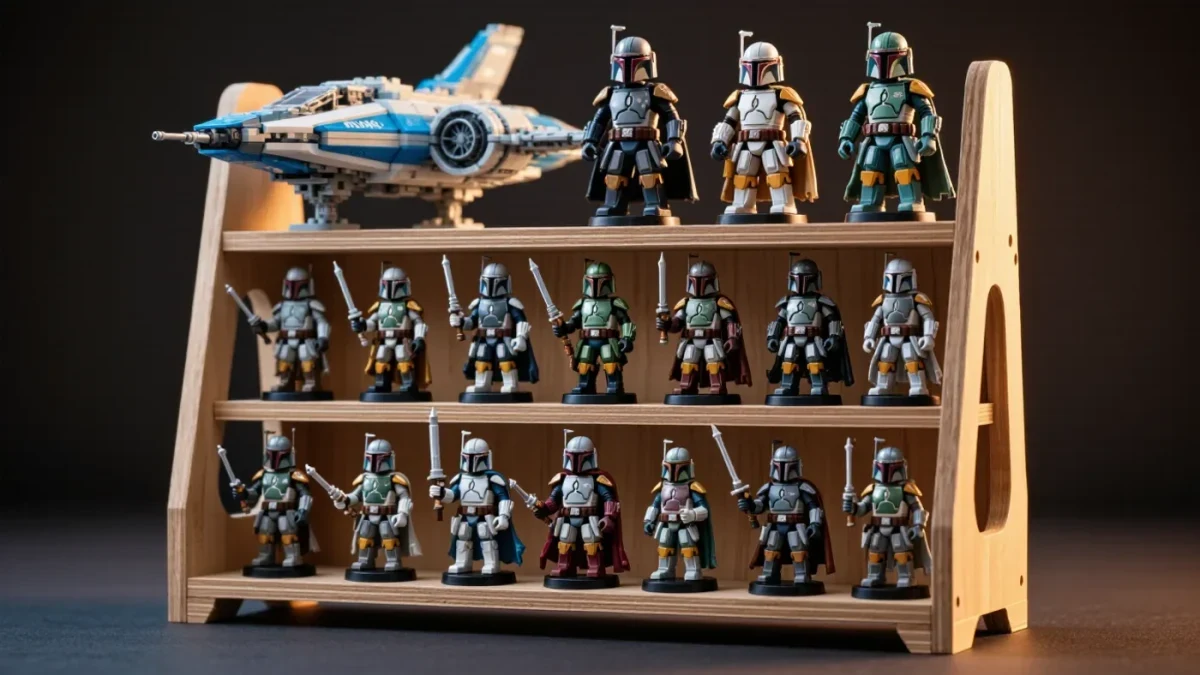
Fandom is culture in miniature. A group of people develops its own shared language, rituals, and values around a show or a film, and then hands those conventions to newcomers. Online film communities have made this process faster and more visible, as covered in our explainer on how online film fandom changed movie culture. The merchandise a franchise sells works the same way, turning viewing into belonging — a dynamic we unpack in how franchise merchandise shapes film culture. This connects to our earlier piece, How Online Film Fandom Changed Movie Culture, Explained: Letterboxd, Forums, and the Meme Economy.
Mass media changed the scale. Wikipedia notes that "mass culture" refers to the mass-produced and mass-mediated forms of consumer culture that emerged in the 20th century. That is the machinery behind a shared hit: millions of people watching the same thing at the same time, then trading the same references the next morning.
Why do cultures change — and why does that matter for entertainment?
Culture is never frozen. Wikipedia describes two engines of change: internal forces that push or resist new ideas, and external contact between societies, which imports customs and art from elsewhere. Entertainment is often the visible surface of that process. A film from another country finds an audience abroad, and viewing habits shift — a pattern traced in our explainer on why subtitled international films grew their audiences.
Reception norms shift too. The way audiences and institutions value films has changed over the decades, from the early Oscars to today's standards debates, as covered in how the Oscars changed and Hollywood diversity standards at the Oscars. Each of those is cultural change playing out in public.
What this means for you: when a story, a ceremony, or a fandom feels different from a decade ago, that is the definition at work. Culture is the thing changing, and entertainment is where you can watch it happen.
Who protects culture, and why does anyone bother?
Because culture is learned and shared, it can be lost. Organizations work to keep it. UNESCO states that culture — from historic monuments and museums to living heritage practices and contemporary art forms — enriches lives and helps build inclusive, resilient communities, and that safeguarding cultural heritage supports creativity and dynamic cultural sectors. UNESCO also holds that no development can be sustainable without a strong culture component.
For viewers, the everyday version of this work is closer to home. Restored prints, repertory screenings, and physical media collections all keep older cultural objects available to new audiences — see how film preservation and restoration work and why physical media collecting endures.
The evidence here points one way: culture is a learned, shared, changing system, and entertainment is one of its most active workshops. What remains unknown is direction. No source can tell you which norms will shift next or which film will become the reference everyone shares — that is the part culture writes as it goes. If this primer helped, the rest of our culture coverage follows the same rule: verified record first, your verdict yours.