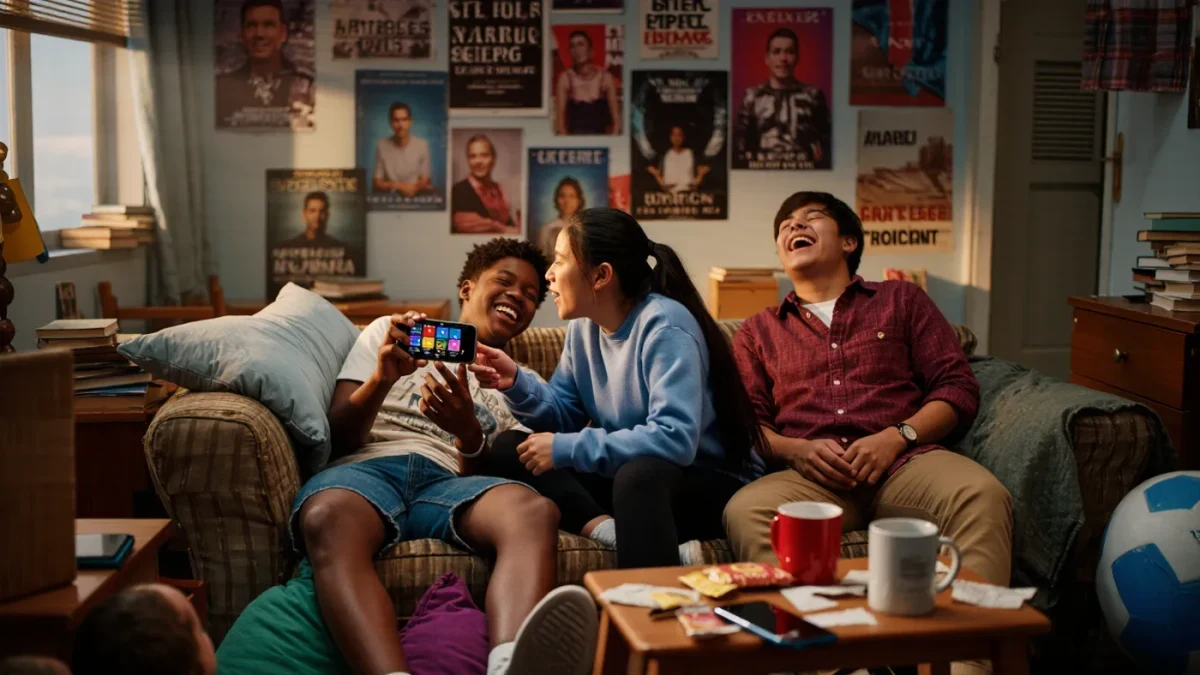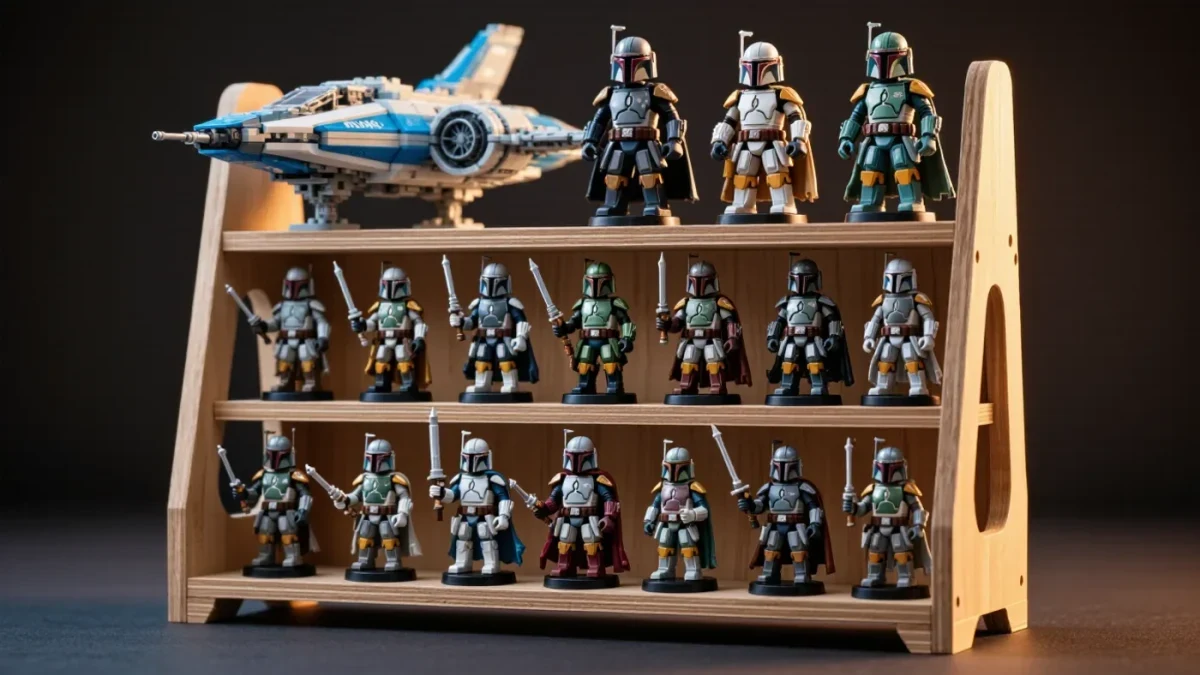
A fight over a movie is rarely just a fight over a movie. When two fans go to war over an ending, a casting choice, or a remake, the stakes are identity. The story on screen has become part of how each person sees themselves, so a criticism of the story lands like a criticism of the person.
That is the engine behind nearly every pop culture culture war. The word at stake is not taste but belonging. Understanding that helps you read these arguments more calmly, spot when a debate has stopped being about the work, and maybe opt out of the worst of them.
Even the word we use for these arguments points at cause. Merriam-Webster defines "why" as "for what cause, reason, or purpose," and that framing is useful here: fandom fights have causes, and they are worth naming before anyone picks a side.
Why does a TV show feel like part of your identity?
Psychologists have long described identity as a layered thing. Some of it comes from family, some from work, and some from the stories you return to. A favorite franchise can do real identity work. It gives you a vocabulary, a community, and a sense of taste that you can present to others.
When something becomes part of that layer, defending it stops feeling like defending a product. It feels like defending yourself. This is why a stranger's hot take about a beloved film can produce genuine anger rather than mild disagreement. The stranger did not attack the film. In the fan's nervous system, they attacked the fan.
There is a second layer too: time. Years of anticipation, rewatches, and fan conversation represent hours of a life. A disappointing sequel can feel like a bad investment, and people get defensive about sunk costs even when the investment was pleasure.
What turns a disagreement into a culture war?
Most fan disagreements stay friendly. A few escalate, and escalation usually needs three ingredients.
- Identity stakes. The work stands in for a group, a value, or a generation, so losing the argument feels like losing status for your side.
- An audience. Arguments performed for a crowd reward sharper, less careful takes. A reply meant to entertain onlookers is rarely a reply meant to understand.
- Ambiguity. When a text genuinely supports multiple readings, each camp can quote it accurately and still disagree. Ambiguity fuels conflict because nobody is simply wrong.
Platform design adds fuel. Recommendation systems surface the most engaged-with posts, and outrage drives engagement. The loudest fraction of a fandom becomes its public face, even when most fans are quietly enjoying the thing.
Our analysis: the phrase "culture war" fits because these fights borrow the structure of political conflict. Sides, loyalty, enemies, purity tests. Once that structure appears, the actual film or show matters less than the team jerseys.
Why do remakes, reboots, and casting choices spark the biggest fights?
Three kinds of change reliably light the fuse.
First, replacement. A new actor in a beloved role, or a new version replacing an old one, creates a direct comparison. Fans of the original feel asked to trade something they love for something untested.
Second, interpretation. A reboot is an argument about what the story was really about. If the new version reads the character differently, fans who built part of their identity on the older reading experience it as a rebuttal.
Third, gatekeeping. Longtime fans sometimes treat deep knowledge as membership credentials. When a new audience arrives through an easier entry point, some veterans react as if the club has been broken into. Newcomers, in turn, read that reaction as hostility, and the loop tightens.
None of this means the complaints are fake. Change has real costs for real people, and disappointment is a fair feeling. The trouble starts when disappointment gets framed as a moral battle rather than a matter of taste.
How does online fandom change the temperature?
Fandom did not get argumentative when it went online; it got visible. Earlier generations argued in letters pages and convention halls. Today the same arguments happen in public, in writing, at scale, and they are archived forever. The mechanics behind that shift are covered in our piece on How Online Film Fandom Changed Movie Culture, Explained: Letterboxd, Forums, and the Meme Economy. This connects to our earlier piece, How Online Film Fandom Changed Movie Culture, Explained: Letterboxd, Forums, and the Meme Economy.
Online structure also rewards extremes in specific ways. A nuanced take gets modest engagement. A categorical one, framed as us versus them, travels. Over time, participants learn which style pays, and the fandom's public conversation drifts toward the paying style.
There is a genuine upside worth naming. The same connective tissue that carries fights also carries discovery, correction, and joy. Fans catch errors, surface overlooked work, and build real friendships. The fighting is a feature of the medium, not the whole of it.
What this means for how you argue about movies
A few practical moves keep a pop culture argument from becoming a war.
- Separate the work from the person. Say what the film did, not what the other fan is. "The pacing lost me in the second half" invites conversation. "Only a fool would like this" ends it.
- Ask what the other person is protecting. Often the answer is a memory, a community, or a version of themselves. Naming that, even silently, lowers the temperature.
- Notice when you have switched teams. If you are arguing to win rather than to understand, the culture war structure has you.
- Let taste be taste. Most of these questions have no correct answer, which is exactly why they can run forever.
It also helps to remember how much of fan identity is built by shared experience rather than solo judgment. The reason a group watch lands differently than a solo stream is one thread in our guide to What Culture Really Means, Explained Simply, and it explains why people fight hardest over the things they enjoy together.
The takeaway: fights about stories are fights about selves
Pop culture wars look silly from the outside and feel enormous from the inside, and both observations are true. The evidence here is qualitative rather than numerical, but the pattern holds across franchises and decades: the heat comes from identity, audience, and ambiguity, amplified by platforms that reward intensity.
The useful conclusion is not that fans should stop caring. Care is the point. It is that a story can matter enormously without becoming a flag to defend. The reader who can hold both, love the work and loosen the grip, gets the best of fandom and skips the worst of the war.